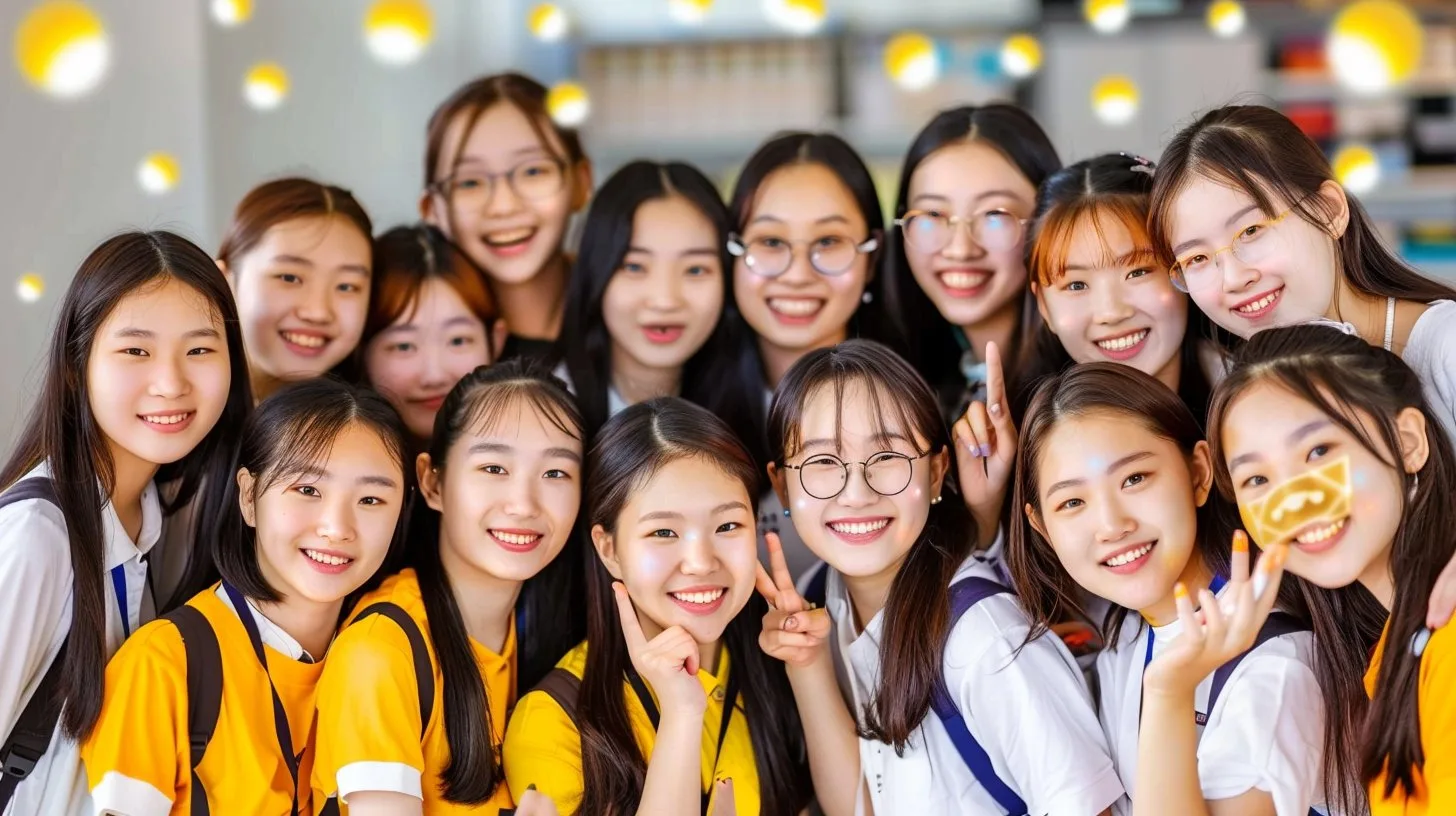
OpenAI has launched ChatGPT for Teachers, a specialised version of its chatbot designed exclusively for K-12 educators in the United States. Available free until June 2027, the platform promises enhanced security, collaborative features, and seamless integration with existing school systems.
The move comes as artificial intelligence adoption in education accelerates rapidly. Teachers are increasingly embracing AI tools to streamline lesson planning, create personalised materials, and reduce administrative burden.
Security and Privacy Take Centre Stage
Unlike standard ChatGPT, the teachers' version prioritises educational data protection. OpenAI guarantees that shared data won't be used for model training by default, addressing a primary concern among educators and administrators.
The platform meets FERPA (Family Educational Rights and Privacy Act) requirements, ensuring student information remains protected. Administrative controls include SAML Single Sign-On integration, giving schools comprehensive oversight of user access and activity.
"If AI is going to be useful for teachers, the best way to do it is to build tools or prompts or workflows around very specific needs," said Kane, a teacher surveyed by EdWeek Research centre.
These security measures reflect broader global concerns about AI governance in education, similar to regulatory approaches we've seen in other regions addressing AI accountability frameworks.
The platform's collaborative workspace feature allows teachers to create and share custom GPTs with colleagues. History departments can jointly develop lesson planning tools for specific periods, whilst science teams can collaborate on experiment guides and assessment materials.
This communal approach transforms AI from a personal assistant into a shared institutional resource. Teachers can pool expertise, refine prompts collectively, and build subject-specific AI tools that improve over time.
The system integrates with popular educational platforms including Canva, Google Drive, and Microsoft 365, ensuring smooth workflow integration rather than disrupting existing processes.
Features Beyond Basic Chatbot Functionality
ChatGPT for Teachers includes unlimited messages with GPT-4.1 Auto, advanced search capabilities, file uploads, and image generation. The platform can adapt materials for different reading levels, generate quiz questions, and brainstorm creative project ideas.
Teachers can upload textbook chapters and request summaries tailored to specific grade levels. The AI remembers context like the subjects and age groups a teacher works with, personalising responses accordingly.
Free ChatGPT for Teachers Rolls Out!
These capabilities extend beyond what's available in standard AI chatbot offerings, providing education-specific functionality rather than generic assistance.
| Feature Category |
Standard ChatGPT |
ChatGPT for Teachers |
| Data Privacy |
Standard terms |
FERPA compliant, no training data use |
| Collaboration |
Individual use |
Shared custom GPTs with colleagues |
| Educational Integration |
Limited |
Canva, Google Drive, Microsoft 365 |
| Administrative Control |
None |
SAML SSO, institutional oversight |
Industry Competition Heats Up
OpenAI faces competition from education-focused AI companies already serving teachers. MagicSchool AI and other specialised platforms have built teacher-specific tools from the ground up.
"The tool is helpful, but it is very different from building for teachers from the start," said Adeel Khan, founder and CEO of MagicSchool AI.
The education sector represents a significant growth opportunity for AI companies. With hundreds of millions of weekly ChatGPT users globally, capturing the education market could drive substantial user adoption and retention.
However, concerns about AI's impact on critical thinking skills persist. Some educators worry that over-reliance on AI tools might diminish students' analytical abilities and independent problem-solving skills.
Getting Started and Implementation
US K-12 educators can access ChatGPT for Teachers by verifying their status through SheerID on OpenAI's website. The verification process ensures legitimate educational use whilst maintaining security standards.
Key implementation steps include:
- Educator verification through official channels
- School district approval and SAML integration setup
- Teacher training on privacy guidelines and best practices
- Custom GPT creation and sharing protocols
- Regular assessment of AI tool effectiveness and student outcomes
Districts can gradually roll out access, starting with pilot programmes before expanding to entire teaching staff. This phased approach allows for proper training and policy development.
What makes ChatGPT for Teachers different from regular ChatGPT?
- ChatGPT for Teachers offers FERPA compliance, collaborative workspaces, educational app integration, and administrative controls. It's specifically designed for classroom use with enhanced privacy protections.
How much does ChatGPT for Teachers cost?
Which school applications integrate with the platform?
- ChatGPT for Teachers integrates with popular educational tools including Canva, Google Drive, and Microsoft 365, ensuring smooth workflow integration with existing systems.
THE AI IN ARABIA VIEW OpenAI's education-focused approach represents a mature response to valid concerns about AI in schools. By prioritising privacy, collaboration, and institutional control, they're positioning AI as a supportive tool rather than a replacement for teaching expertise. However, success will depend on proper implementation, teacher training, and ongoing assessment of educational outcomes. We believe this measured approach could set positive precedents for AI adoption in education globally, provided schools maintain focus on developing critical thinking alongside AI literacy skills.
The launch of ChatGPT for Teachers signals a shift towards purpose-built AI tools for specific professional contexts. As artificial intelligence becomes increasingly integrated into educational workflows, the focus on practical AI applications and user-specific needs will likely drive further innovation in the sector.
How do you think AI tools like ChatGPT for Teachers will reshape classroom dynamics and student learning outcomes? Drop your take in the comments below.
Sources & Further Reading